






Leather goods are part of everyday life, even though we may not always use this term to describe them. Handbags, wallets, purses, card holders, belts, document holders and many other accessories belong to a product category where materials, design and functionality come together.
But what exactly are leather goods? Which products belong to this category? And what characteristics should you look for when evaluating a leather accessory?
Understanding the basics can help you make a more informed choice and appreciate the details behind the products we use every day.
At the Monamoon online store you can explore different collections of bags and accessories, including a dedicated leather goods collection.
What does “leather goods” mean?
The term leather goods generally refers to accessories and everyday objects made entirely or primarily from leather.
It also refers to the craft and industry involved in designing, producing and selling these items.
Leather goods can vary greatly in size and purpose. A large handbag and a compact card holder are very different products, but both require careful consideration of materials, construction, functionality and finishing.
The quality of the final piece therefore depends on much more than the leather itself.
Stitching, edges, lining, zips, fasteners, metal hardware and overall construction all contribute to the appearance, comfort and durability of the product.
What products are considered leather goods?
The category includes a wide variety of accessories.
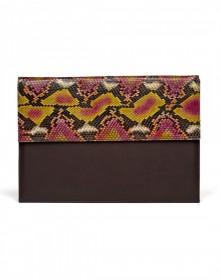
Handbags, wallets, purses, card holders, belts, document holders, cases and toiletry bags are among the most traditional examples.
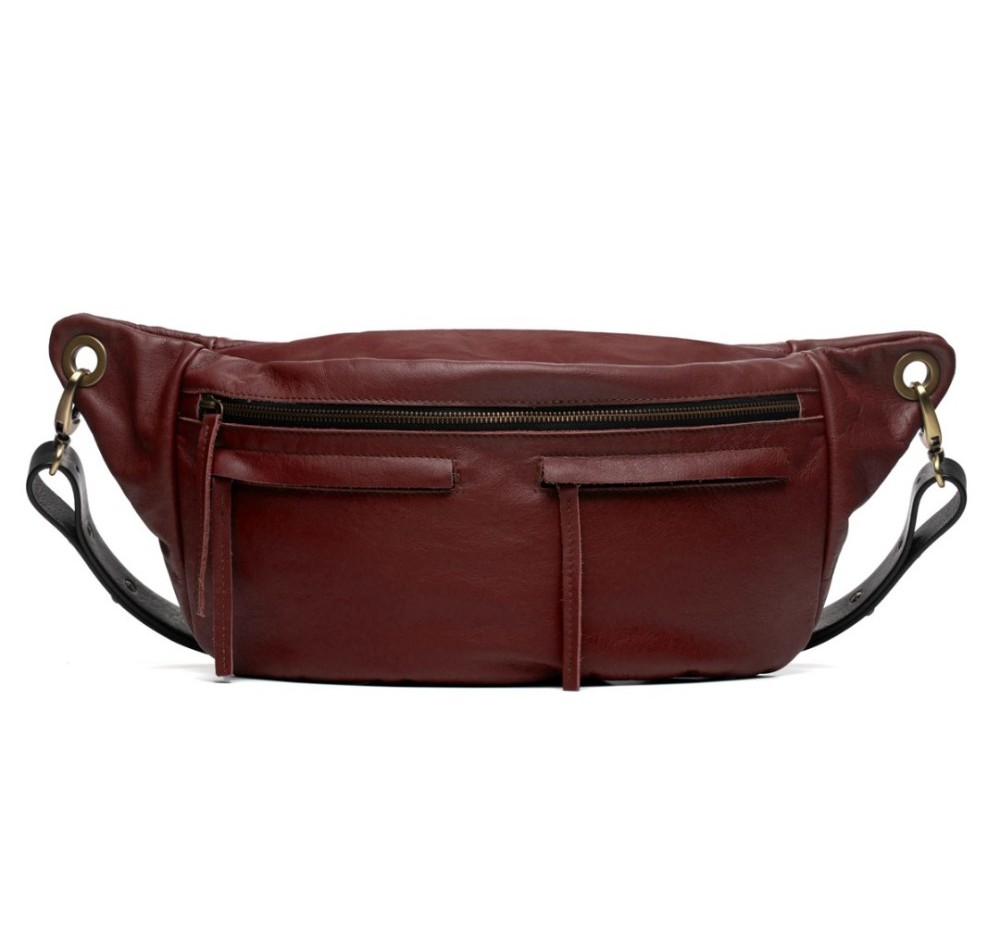
Backpacks, crossbody bags, waist bags and other accessories can also form part of the leather goods category when leather is a significant component of their construction.
Modern design has made the boundaries increasingly flexible. Leather may be combined with textiles, metal components and other materials to create contemporary accessories.
You can explore different examples in Monamoon's leather goods section.
Leather as a material
Leather begins as natural animal hide that undergoes a tanning process designed to preserve and stabilise it.
Once treated, it can be used for bags, footwear, clothing, upholstery and numerous other applications.
Different tanning processes, surface treatments, dyes and finishes can produce very different results. This explains why two accessories made from a similar type of leather can feel and look noticeably different.
Texture, flexibility, colour, grain and surface protection can all vary according to the way the material has been processed.
Different types and finishes of leather
One of the defining features of leather is its natural variety.
Its appearance can differ depending on the hide, the area from which it comes and the treatments applied during production.
Leather goods may feature smooth, grained, matte, polished, vintage-inspired or textured surfaces.
Colouring and finishing techniques can also create an extensive range of shades.
Instead of judging an accessory solely by the name of the leather, it is useful to consider whether its characteristics suit the intended purpose.
A handbag designed for daily use, for example, faces different demands from those of a small card holder used only occasionally.
What is full-grain leather?
The outer surface of leather contains its natural grain.
Full-grain leather generally retains this surface with relatively limited correction, allowing some of the natural character of the hide to remain visible.
As leather is a natural material, slight differences in grain, texture and colour can occur.
These variations should not automatically be interpreted as defects. Depending on the type and finish of the leather, they can form part of the individual character of the piece.
Why leather finishing matters
The raw material is only one part of the final result.
Dyes, protective treatments and surface finishes can significantly influence both the appearance and feel of leather goods.
Some finishes preserve a more natural, visible grain, while others create a more uniform surface.
Neither approach is automatically superior. What matters is that the chosen finish is suitable for the design and intended use of the accessory.
How to recognise well-made leather goods
Small details can reveal a great deal about construction quality.
Look at the stitching. It should appear consistent and secure, particularly around areas that experience greater tension.
Zips and fasteners should operate smoothly, while handles and straps should feel appropriately attached to the body of the product.
Edges also deserve attention because careful edge finishing contributes to both appearance and durability.
Metal hardware should be secure and proportionate to the size and weight of the piece.
The inside matters too. A well-designed arrangement of pockets and compartments can transform an attractive accessory into something genuinely practical.
Design should work with functionality
Appearance is important, but good leather goods should also be comfortable and practical to use.
A beautiful handbag can quickly become frustrating if accessing its contents is difficult. A wallet can have numerous compartments but become uncomfortably bulky when full.
For this reason, good design involves finding the right balance between appearance, ergonomics and functionality.
Different lifestyles naturally require different products.
Someone who carries only a few cards may prefer a compact card holder, while another person may need a document case for work. A waist bag or crossbody bag may be more practical than a conventional handbag for someone who prefers to keep their hands free.
Leather goods and durability
Leather has remained popular for accessories partly because of the way it can evolve over time.
Certain types can develop subtle changes in texture and colour with regular use, giving an individual character to the accessory.
Durability, however, does not mean that leather requires no care.
Avoiding prolonged exposure to excessive moisture, direct heat and unsuitable chemicals can help preserve its appearance.
Bags should also be stored carefully, ideally without heavy objects inside that could distort their shape over long periods.
How to choose leather goods
Start with the intended use.
Dimensions, internal organisation, weight, fastening system, strap length and material should all be considered in relation to your everyday needs.
Think about whether the product will be used daily or only on particular occasions.
The best choice is not necessarily the largest accessory or the one with the most compartments. It is the product that solves your particular needs while matching your personal style.
Buying leather goods online
Shopping for leather goods online gives you access to many designs, sizes and colours, but product information becomes particularly important.
Check photographs from different angles and read the dimensions carefully.
Size can be difficult to judge from photographs alone, so comparing the measurements with an accessory you already own can be helpful.
Material and product descriptions can also provide useful information about construction and functionality.
If anything remains unclear, asking before purchasing can make it easier to select the right product.
You can browse Monamoon's leather goods collection or visit the Monamoon homepage to discover other bags and accessories.
For questions about a particular item, dimensions or other product information, you can also contact Monamoon.
Leather goods: where material, design and purpose meet
Leather goods bring together material, design and functionality in objects intended to be part of everyday life.
Understanding the different products, examining their finishing and considering their construction makes it easier to choose an accessory based on more than appearance alone.
Whether it is a handbag, wallet, card holder, waist bag or document case, a well-designed piece should achieve the same fundamental objective: it should look good, perform its function effectively and be enjoyable to use.